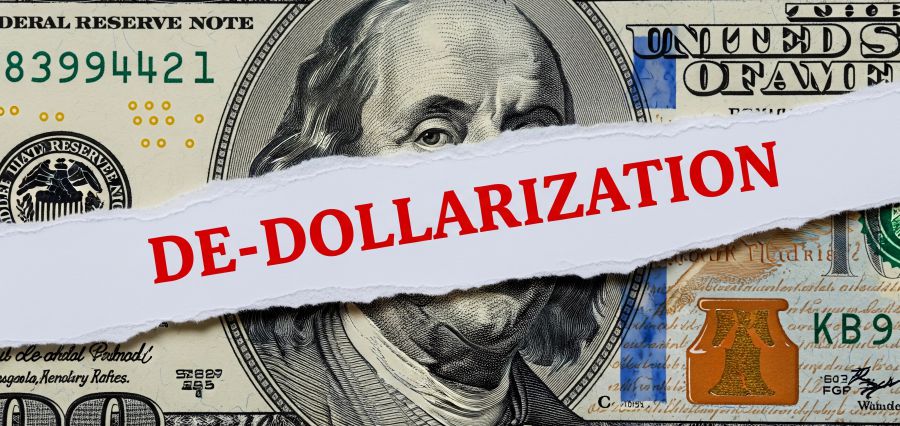
For decades, the United States dollar has served as the backbone of global finance. It dominates international trade, foreign exchange reserves, and cross-border transactions. However, shifting geopolitical dynamics, evolving trade partnerships, and the rise of emerging economies have intensified discussions about de-dollarization. Governments, economists, and investors are increasingly asking: Is the US dollar losing its dominance? While the dollar remains powerful, recent developments suggest that the global financial system may gradually evolve toward a more diversified currency landscape, raising important questions about the future of dollar dominance.
Understanding the Concept of De-dollarization
At its core, de-dollarization refers to the process by which countries reduce their reliance on the U.S. dollar in global trade, finance, and reserves. Historically, the dollar became the primary global currency after World War II when the Bretton Woods system established it as the anchor of international monetary stability. Even after the gold standard ended, the dollar maintained its strong position due to the size of the U.S. economy, deep financial markets, and global trust in American institutions.
Today, however, the conversation around this is gaining momentum. Several nations are exploring alternative currencies for trade agreements, bilateral payments, and central bank reserves. These shifts do not necessarily signal an immediate collapse of the dollar’s influence, but they do reflect changing economic priorities among global powers.
A central question remains: Is the US dollar losing its dominance? Some analysts argue that growing efforts to bypass the dollar in trade settlements could weaken its role over time. Others believe that despite attempts at de-dollarization, the dollar’s structural advantages make it difficult to replace.
Drivers Behind the Push for Currency Diversification
Multiple factors are fueling the global conversation about de-dollarization. One of the most prominent is geopolitical tension. Countries that face economic sanctions or financial restrictions from Western institutions often seek alternatives to dollar-based systems. By trading in local currencies or developing regional payment frameworks, they aim to reduce exposure to U.S. financial influence.
Another key factor involves the rise of emerging economies. Nations such as China, India, and Brazil are expanding their economic reach and strengthening regional trade partnerships. As these economies grow, they naturally seek greater control over financial transactions, which encourages efforts toward de-valuation of dollar.
Technological innovation is also playing a role. The emergence of digital payment infrastructure and central bank digital currencies has opened new possibilities for cross-border transactions that do not rely solely on the dollar. These developments further intensify debates about the future of dollar dominance in an increasingly digital financial world.
Despite these changes, experts continue to debate whether these trends are strong enough to answer the question: Is the US dollar losing its dominance? While alternative systems are emerging, the dollar still holds the largest share of global reserves and remains the most widely used currency in international trade.
Global Trade Shifts and the Dollar’s Role
The structure of international trade significantly influences the pace of de-dollarization. Many global commodities, including oil and natural gas, are traditionally priced in dollars. This practice reinforces the currency’s importance because countries must hold dollar reserves to participate in global markets.
However, some nations are experimenting with new trade arrangements that bypass the dollar. Bilateral agreements that allow settlement in local currencies are becoming more common, especially among developing economies. These initiatives are often presented as steps toward de-dollarization and financial independence.
Yet the broader financial ecosystem still favors the dollar. Global investors trust U.S. financial markets for their liquidity, transparency, and stability. These characteristics make it challenging for alternative currencies to quickly gain the same level of confidence.
This reality complicates the question: Is the US dollar losing its dominance? While trade diversification is occurring, the depth of dollar-based financial systems continues to reinforce its position. At the same time, discussions about the future of dollar dominance suggest that gradual adjustments, rather than sudden shifts, are more likely.
Evaluating the Future of Dollar Dominance
Looking ahead, the future of dollar dominance will depend on a combination of economic, political, and technological factors. The United States still benefits from strong institutions, global financial influence, and the world’s largest capital markets. These advantages support the dollar’s role as the primary reserve currency.
However, the ongoing trend of de-dollarization indicates that some countries want to reduce dependence on a single currency. Instead of a complete replacement, the global system may evolve toward a multipolar currency environment where several currencies share influence in international transactions.
Regional financial alliances, digital currencies, and evolving trade agreements could gradually reshape the balance of power. Even so, replacing the dollar entirely would require a level of economic integration and trust that few alternatives currently provide.
This context helps explain why economists repeatedly revisit the question: Is the US dollar losing its dominance? The answer is complex. While the dollar continues to lead global finance, persistent efforts toward de-dollarization suggest that the landscape is slowly changing.
Ultimately, the future of dollar dominance may not involve a sudden decline but rather a gradual transformation of the global monetary system. As nations seek greater financial autonomy, new structures could emerge that distribute influence among multiple currencies. For businesses, investors, and policymakers, understanding these shifts is essential for navigating the evolving dynamics of international finance.