Very few industries are seeing such large-scale development in terms of technology like the defense industry, and one cannot help but realize the pace at which it is developing. With the introduction of such emerging technologies like artificial intelligence, machine learning, robotics, sensors, and data analytics, the form of warfare and strategies of the army is getting transformed. In addition to this, there are concerns of cyber warfare, asymmetric warfare, drones, and geopolitics. Modern warfare requires different defense strategies than those used traditionally.
Artificial intelligence has become a strategic asset through the ability to analyze large amounts of data and make decisions in time. This technology is meant to complement rather than replace military personnel since it helps improve situation awareness and inform their response to a particular situation. The development of defense technologies will see Autonomous Defenses becoming a very critical component of military planning.
Smarter Decision Making
Artificial intelligence helps defense agencies to turn huge volumes of information into useful operational intelligence. Contemporary military operations produce a constant flow of data collected through satellites, drones, radar, surveillance cameras, communications systems, and battlefield sensors. Using artificial intelligence algorithms, it is possible to analyze this varied data stream, recognize any anomalies and threats, and single out critical information requiring urgent response. Thus, commanders can make timely and well-informed decisions without missing anything crucial.
The integration of AI technology also improves coordination among land, air, naval, space, and cyber forces. Intelligent technologies can fuse data received through various platforms to provide a complete picture of the situation at hand, leading to the ability to respond in a coordinated manner among various forces. The predictive analytics will improve the process of decision-making by predicting the possible enemy maneuvers, assessing risks in operations, and recommending the best course of action. With increasing maturity of these technologies, Autonomous Defense technologies keep improving mission efficiency through better intelligence and coordination.
Intelligent Operations
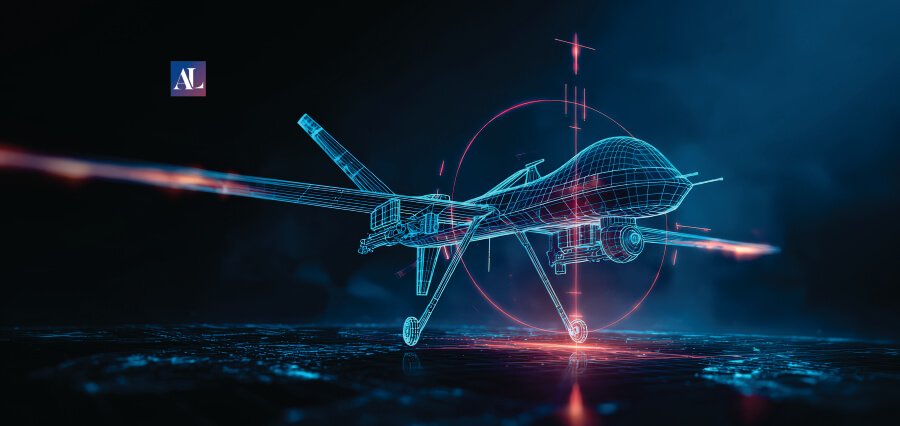
Artificial Intelligence has brought about a revolution in operations as a result of the capability of autonomous platforms to conduct mission-critical tasks more effectively and reliably. Unmanned aerial systems, unmanned ground vehicles, ships, and robots can conduct surveillance, reconnaissance, logistic operations, mine detection, and perimeter security with little or no human interference at all. The application of this technology helps to protect humans from hostile environments while ensuring constant operational presence in those areas where human involvement would not be possible.
The autonomous nature of AI technology further increases the flexibility of mission execution since defense platforms are able to react to changing operating environments. The sophisticated software constantly analyzes information about the environment, finds possible obstacles, modifies the route, and optimizes mission completion. At the same time, maintenance systems detect the state of machines, forecast their possible malfunctions, and offer solutions before any physical problems impede the operation of defense mechanisms. Such an approach significantly cuts the costs of maintenance and prevents downtime. Autonomous Defense technologies become more advanced as military institutions invest in digital transformation.
Security and Responsibility
The employment of artificial intelligence in defense demands robust governing structures that can ensure ethical consideration amid advancing technology. The role of human beings cannot be undermined when making important strategic military decisions, especially in circumstances where force is to be employed. It becomes necessary for such institutions to come up with policies that outline the roles of autonomous technologies. To develop responsible AI, there must be validation, testing, and constant monitoring of intelligent systems. Cybersecurity is yet another major concern as more interconnected AI-enabled autonomous defense systems come online.
Defense autonomy in terms of security from cyber-attacks, data manipulation, electronic warfare, and access requires a good security infrastructure that is based on modern encryption, surveillance, and reliable means of communication. Equally important is the training of specialists who possess knowledge of both military strategy and digital technology. Autonomous Defense systems will be able to contribute to national security through responsible governance and ethical application of AI capabilities if appropriate training is ensured.
Conclusion
The future of defense is being shaped through artificial intelligence because it provides increased speed of analysis, greater situational awareness, and intelligence-based missions. From predictive intelligence and autonomous platforms to proactive maintenance, artificial intelligence is contributing to the improvement of defense preparations by helping them face the ever-evolving security threats. The capability of processing huge data instantly helps in making decisions and improves coordination among various fields of military operation.
Future developments of AI will bring even more improvements to autonomous technologies while emphasizing the need for responsible innovations. The future success of such initiatives will rely on retaining robust human supervision, safeguarding the most important systems with the help of cybersecurity, and creating ethical codes of conduct to govern intelligent defense systems. This will allow defense agencies to develop reliable technologies to secure the interests of their nations while adapting to changing security environment.