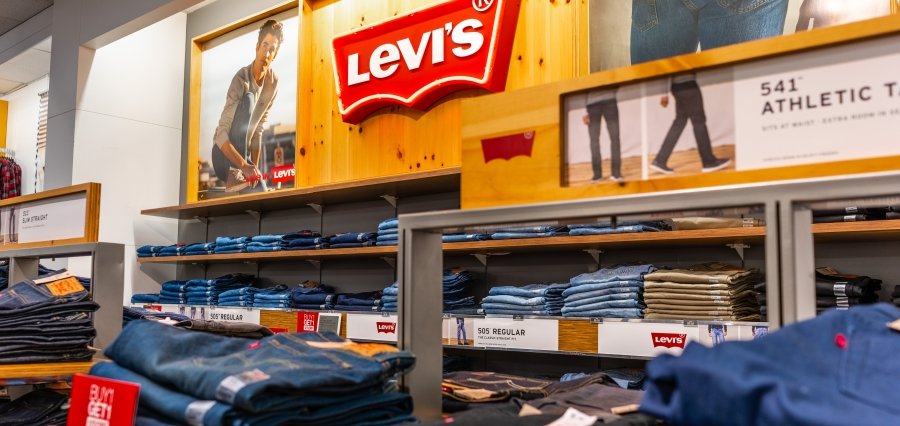
There aren’t many companies that can trace themselves back to the California Gold Rush and still feel relevant on a store shelf today. Levi’s the Iconic Denim Brand has been doing exactly that for well over a century and a half, and somehow it hasn’t gotten stale. What began as tough, no-nonsense workwear for miners has turned into something you’ll find in nearly every closet, from factory floors to fashion runways. That staying power isn’t an accident. It comes down to how the brand handles change. A product this old, still made for essentially the same purpose it started with, shouldn’t feel current. And yet it does, season after season. This piece looks at how the company’s history, its factories, and its design choices all point back to one idea: change without losing the thing that made people trust you in the first place.
A Legacy Built on Durability
Levi’s the Iconic Denim Brand goes all the way back to 1853, when Levi Strauss started selling denim pants meant to hold up under hard, physical work. Not long after, the riveted pocket got patented, a small detail that ended up setting the brand apart, and one the rest of the industry eventually copied. That “built to last, not built to impress” mentality is still baked into how the company operates.
Fits, washes, and styles have shifted plenty over the decades, but the core of what the brand makes is still instantly recognizable. Very few clothing companies can say their products have stayed culturally relevant this long, and even fewer have done it while keeping the values that earned their reputation in the first place.
Innovation and Sustainability at the Core
Innovation and Sustainability aren’t just words the company puts on a slide somewhere. They’ve actually shaped how products get made. That shows up in things like water-saving finishing methods and sourcing decisions meant to shrink the environmental footprint of the supply chain.
Denim has a bit of a reputation problem when it comes to water use, and it’s one the industry has faced criticism over for years. Levi’s the Iconic Denim Brand has put real money into finishing technology that uses a fraction of the water older methods required, all while still getting jeans to that broken-in, lived-in look people actually want to buy.
That same push toward Innovation and Sustainability carries over into raw materials, too. A growing share of the cotton going into the brand’s products now comes from more sustainable farming, and the list of suppliers held to tighter environmental and labor standards keeps growing year over year.
Circular Fashion and Product Longevity
It doesn’t stop at how the jeans get made. Levi’s the Iconic Denim Brand has also built out programs meant to keep clothes in use longer instead of pushing people to just buy new ones. Through buyback and resale programs, worn-in jeans get taken back, cleaned up, repaired, and sold again, which cuts down on textile waste and gives old pairs a second life.
Repair has become part of the strategy too. Rather than nudging customers toward a new purchase the moment something wears out, the brand’s made it simpler to patch things up and keep wearing what you already own. It’s a small shift, but it says something bigger: Innovation and Sustainability aren’t only about what’s new. They’re also about how long what already exists stays in use.
Staying Relevant Through Design
Denim trends never really sit still. Skinny fits give way to relaxed straight legs, and then the pendulum swings back again. Levi’s the Iconic Denim Brand has had to stay light on its feet to keep up. Design teams keep close tabs on what people actually want, rolling out new fits and washes while still keeping staples like the 501 around for anyone who’d rather stick with what works.
Collaborations with designers, artists, and other labels have also helped the brand stay on the radar of younger shoppers who might otherwise drift toward flashier, trend-chasing competitors. These partnerships usually take a classic silhouette and give it a fresh spin, a move that’s helped the brand hold onto customers across very different generations.
Manufacturing and Supply Chain Responsibility
Innovation and Sustainability show up on the factory floor as much as anywhere else. Worker safety, fair labor practices, and transparency about where and how clothes actually get made have all gotten more attention lately, partly because the whole industry has been under a brighter spotlight.
Levi’s the Iconic Denim Brand puts out sustainability reports that lay out its progress on things like emissions, water use, and supply chain accountability, giving customers and investors an actual paper trail instead of vague promises. That kind of openness is basically table stakes for a major apparel brand now, and the company has generally leaned into it rather than push back.
Looking Ahead
The apparel industry as a whole is under real pressure to clean up its environmental impact, and denim, given how resource-heavy it is to produce, gets more scrutiny than most. Levi’s the Iconic Denim Brand seems to be responding to that by treating its processes as something to keep improving, not just a legacy to protect. Not many brands with this kind of history still get mentioned in the same breath as innovation, but Levi’s the Iconic Denim Brand has mostly earned that reputation through steady, unglamorous changes rather than big splashy announcements.
Between water-saving technology, circular fashion programs, and more honest sourcing practices, it’s clear the brand is trying to square a century and a half of history with a market that looks nothing like the one it started in. For a company built on durability, staying willing to change might be exactly what keeps it around for another 150 years.
Read Also : Catalyzing Innovation: The Transformative Role of AI in Autonomous Defence Systems